



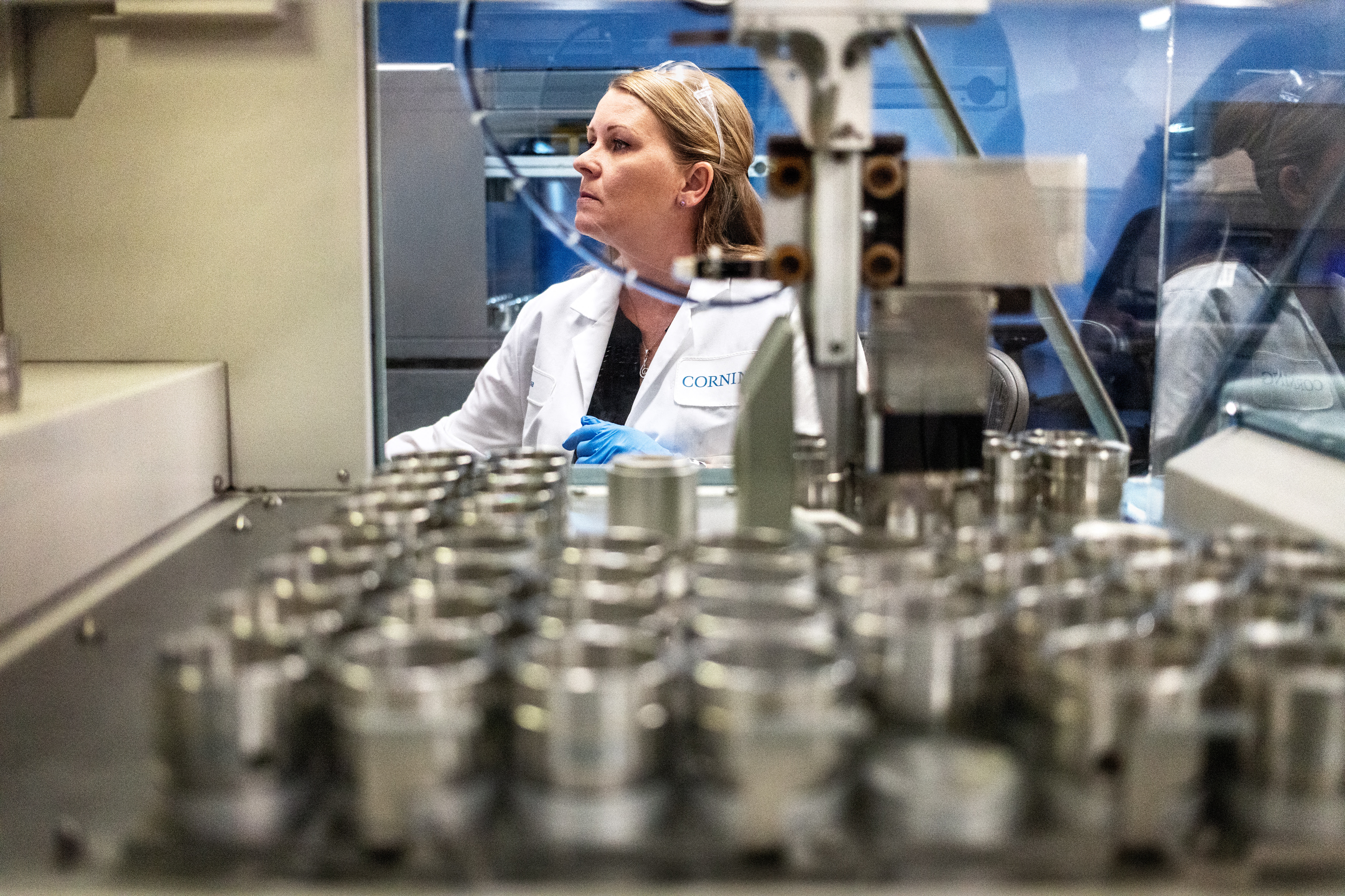


2D cell culture has had an extraordinary place in cell culture history and will remain a viable cell culture model for many uses. Yet with the rise of promising new opportunities within such fields of study as cancer research and stem cell differentiation, using 2D models to obtain useful information about in vivo biological processes has created challenges. As research demands have become increasingly complex, we have been there every step of the way, creating 3D cell culture solutions that allow you to produce optimal environments for growing cells that exhibit in-vivo like behaviors and functionality.
cell culture has had an place in cell culture and will remain a viable cell culture model for many uses. Yet with the rise of promising new opportunities within such fields of study as cancer research and stem cell differentiation, using 2D to obtain useful information about in vivo processes has created challenges. As demands have become increasingly complex, we have been there every step of the way, creating 3D cell culture solutions that allow you to produce optimal environments for growing cells that exhibit in-vivo like behaviors and functionality.
- 2D cell culture has had an extraordinary place in cell culture history and will remain a viable cell culture model for many uses.
- 30% reduction in cable OD
- Third indented child example
- 30% reduction in cable OD
- Yet with the rise of promising new opportunities within such fields of study as cancer research and stem cell differentiation
- using 2D models to obtain useful information about in vivo biological processes has created challenges
- As research demands have become increasingly complex, we have been there every step of the way, creating 3D cell culture solutions that allow you to produce optimal environments for growing cells that exhibit in-vivo like behaviors and functionality.
Body Large testing
Body medium testing
2D cell culture has had an extraordinary place in cell culture history and will remain a viable cell culture model for many uses. Yet with the rise of promising new opportunities within such fields of study as cancer research and stem cell differentiation, using 2D models to obtain useful information about in vivo biological processes has created challenges. As research demands have become increasingly complex, we have been there every step of the way, creating 3D cell culture solutions that allow you to produce optimal environments for growing cells that exhibit in-vivo like behaviors and functionality.
2D cell culture has had an extraordinary place in cell culture history and will remain a viable cell culture model for many uses. Yet with the rise of promising new opportunities within such fields of study as cancer research and stem cell differentiation, using 2D models to obtain useful information about in vivo biological processes has created challenges. As research demands have become increasingly complex, we have been there every step of the way, creating 3D cell culture solutions that allow you to produce optimal environments for growing cells that exhibit in-vivo like behaviors and functionality.
2D cell culture has had an extraordinary place in cell culture history and will remain a viable cell culture model for many uses. Yet with the rise of promising new opportunities within such fields of study as cancer research and stem cell differentiation, using 2D models to obtain useful information about in vivo biological processes has created challenges. As research demands have become increasingly complex, we have been there every step of the way, creating 3D cell culture solutions that allow you to produce optimal environments for growing cells that exhibit in-vivo like behaviors and functionality.
2D cell culture45 has had60 an extraordinary place in cell culture history and will remain a viable cell culture model for many uses. Yet with the rise of promising new opportunities within such fields of study as cancer research45 and stem cell differentiation60, using 2D models to obtain useful information about in vivo biological processes has created challenges.
As research demands have become increasingly complex, we have been there every step of the way, creating 3D cell culture solutions that allow you to produce optimal environments for growing cells that exhibit in-vivo like behaviors and functionality.
2D cell culture has had an extraordinary place in cell culture history and will remain a viable cell culture model for many uses. Yet with the rise of promising new opportunities within such fields of study as cancer research and stem cell differentiation, using 2D models to obtain useful information about in vivo biological processes has created challenges. As research demands have become increasingly complex, we have been there every step of the way, creating 3D cell culture solutions that allow you to produce optimal environments for growing cells that exhibit in-vivo like behaviors and functionality.
2D cell culture has had an extraordinary place in cell culture history and will remain a viable cell culture model for many uses. Yet with the rise of promising new opportunities within such fields of study as cancer research and stem cell differentiation, using 2D models to obtain useful information about in vivo biological processes has created challenges. As research demands have become increasingly complex, we have been there every step of the way, creating 3D cell culture solutions that allow you to produce optimal environments for growing cells that exhibit in-vivo like behaviors and functionality.
2D cell culture has had an extraordinary place in cell culture history and will remain a viable cell culture model for many uses. Yet with the rise of promising new opportunities within such fields of study as cancer research and stem cell differentiation, using 2D models to obtain useful information about in vivo biological processes has created challenges. As research demands have become increasingly complex, we have been there every step of the way, creating 3D cell culture solutions that allow you to produce optimal environments for growing cells that exhibit in-vivo like behaviors and functionality.
2D cell culture has had an extraordinary place in cell culture history and will remain a viable cell culture model for many uses. Yet with the rise of promising new opportunities within such fields of study as cancer research and stem cell differentiation, using 2D models to obtain useful information about in vivo biological processes has created challenges. As research demands have become increasingly complex, we have been there every step of the way, creating 3D cell culture solutions that allow you to produce optimal environments for growing cells that exhibit in-vivo like behaviors and functionality.
- Fiber counts of 96-288
- 24 fiber buffer tube provides:
- 24 fiber buffer tube provides:
- 30% reduction in cable OD
- Third indented child example
- Fiber counts of 96-288
- 24 fiber buffer tube provides:
- 24 fiber buffer tube provides:
- 30% reduction in cable OD
- 24 fiber buffer tube provides
- Third indented child example
- Another example
- Application: duct and aerial
- ALTOS HD features Binderless FastAccess Technology
| 2D cell culture has had an extraordinary place in cell culture history and will remain a viable cell culture model for many uses. Yet with the rise of promising new opportunities within such fields of study as cancer research and stem cell differentiation, using 2D models to obtain useful information about in vivo biological processes has created challenges. As research demands have become increasingly complex, we have been there every step of the way, creating 3D cell culture solutions that allow you to produce optimal environments for growing cells that exhibit in-vivo like behaviors and functionality. |
reated challenges. As research demands have become increasingly complex, we have been there every step of the way, creating 3D cell culture solutions that allow you to produce optimal environments for that exhibit in-vivo like behaviours and functionality.
2D cell culture has had an extraordinary place in cell culture history and will remain a viable cell culture model for many uses. Yet with the rise of promising new opportunities within such fields of study as cancer research and stem cell differentiation, using 2D models to obtain useful information about in vivo biological processes has created challenges. As research demands have become increasingly complex, we have been there every step of the way, creating 3D cell culture solutions that allow you to produce optimal environments for growing cells that exhibit in-vivo like behaviours and functionality.
2D cell culture has had an extraordinary place in cell culture history and will remain a viable cell culture model for many uses. Yet with the rise of promising new opportunities within such fields of study as cancer research and stem cell differentiation, using 2D models to obtain useful information about in vivo biological processes has created challenges. As research demands have become increasingly complex, we have been there every step of the way, creating 3D cell culture solutions that allow you to produce optimal environments for growing cells that exhibit in-vivo like behaviors and functionality.
2D cell culture has had an extraordinary place in cell culture history and will remain a viable cell culture model for many uses. Yet with the rise of promising new opportunities within such fields of study as cancer research and stem cell differentiation, using 2D models to obtain useful information about in vivo biological processes has created challenges. As research demands have become increasingly complex, we have been there every step of the way, creating 3D cell culture solutions that allow you to produce optimal environments for growing cells that exhibit in-vivo like behaviors and functionality.
2D cell culture has had an extraordinary place in cell culture history and will remain a viable cell culture model for many uses. Yet with the rise of promising new opportunities within such fields of study as cancer research and stem cell differentiation, using 2D models to obtain useful information about in vivo biological processes has created challenges. As research demands have become increasingly complex, we have been there every step of the way, creating 3D cell culture solutions that allow you to produce optimal environments for growing cells that exhibit in-vivo like behaviors and functionality.
Tooltip for Order By under List Settings tab isn't matching the Functional doc |
Tooltip for Order By under List Settings tab isn't matching the Functional doc |
Tooltip for Order By under List Settings tab isn't matching the Functional doc |
Tooltip for Order By under List Settings tab isn't matching the Functional doc |
2D cell culture has had an extraordinary place in cell culture history and will remain a viable cell culture model for many uses. Yet with the rise of promising new opportunities within such fields of study as cancer research and stem cell differentiation, using 2D models to obtain useful information about in vivo biological processes has created challenges. As research demands have become increasingly complex, we have been there every step of the way, creating 3D cell culture solutions that allow you to produce optimal environments for growing cells that exhibit in-vivo like behaviors and functionality.
- Fiber counts of 96-288
- 24 fiber buffer54 tube provides:
- 24 fiber buffer tube provides:
- 30% reduction in cable OD
- Third indented child example
| Tooltip for Open in new tab under Title tab isn't matching the Functional doc |
| Tooltip for Child Depth under List Settings tab isn't matching the Functional doc |
| Tooltip for Order By under List Settings tab isn't matching the Functional doc |
| Dropdown values for Order By under List Settings isn't matching the Functional doc |
| Tooltip for Open in new tab under Title tab isn't matching the Functional doc |
| Tooltip for Child Depth under List Settings tab isn't matching the Functional doc |
| Tooltip for Order By under List Settings tab isn't matching the Functional doc |
| Tooltip for Open in new tab under Title tab isn't matching the Functional doc |
| Tooltip for Child Depth under List Settings tab isn't matching the Functional doc |
| Tooltip for Order By under List Settings tab isn't matching the Functional doc |
| Dropdown values for Order By under List Settings isn't matching the Functional doc |
For more than 170 years, Corning has combined its unparalleled expertise in glass science, ceramics science, and optical physics with deep manufacturing and engineering capabilities to develop life-changing innovations and products. For more than 170 years, Corning has combined its unparalleled expertise in glass science, ceramics science, and optical physics with deep manufacturing and engineering capabilities to develop life-changing innovations and products. For more than 170 years, Corning has combined its unparalleled expertise in glass science, ceramics science, and optical physics with deep manufacturing and engineering capabilities to develop life-changing innovations and products. For more than 170 years, Corning has combined its unparalleled expertise in glass science, ceramics science, and optical physics with deep manufacturing and engineering capabilities to develop life-changing innovations and products. For more than 170 years, Corning has combined its unparalleled expertise in glass science, ceramics science, and optical physics with deep manufacturing and engineering capabilities to develop life-changing innovations and products.
For more than 170 years, Corning has combined its unparalleled expertise in glass science, ceramics science, and optical physics with deep manufacturing and engineering capabilities to develop life-changing innovations and products.For more than 170 years, Corning has combined its unparalleled expertise in glass science, ceramics science, and optical physics with deep manufacturing and engineering capabilities to develop life-changing innovations and products. For more than 170 years, Corning has combined its unparalleled expertise in glass science, ceramics science, and optical physics with deep manufacturing and engineering capabilities to develop life-changing innovations and products. For more than 170 years, Corning has combined its unparalleled expertise in glass science, ceramics science, and optical physics with deep manufacturing and engineering capabilities to develop life-changing innovations and products. For more than 170 years, Corning has combined its unparalleled expertise in glass science, ceramics science, and optical physics with deep manufacturing and engineering capabilities to develop life-changing innovations and products. For more than 170 years, Corning has combined its unparalleled expertise in glass science, ceramics science, and optical physics with deep manufacturing and engineering capabilities to develop life-changing innovations and products.
Hello How are you